
Ordering caps without confirming compatibility first is one of the most common mistakes in packaging, but it's also one of the most avoidable. A mismatch between your closure and container can lead to leaking product, container issues, and wasted production or packaging time. At Reliable Caps, we’re here to help prevent these issues by helping you to determine the compatibility between a closure and container and how to confirm this before you commit to a full order.
Factors That Determine Bottle and Closure Compatibility
Confirming compatibility isn’t difficult, but there are multiple factors to keep in mind, which each impact the overall compatibility of the closure with your containers. These factors include:
- Closure and container sizing
- Thread profiles
- Liner selection and container material
- How the closure gets applied
Going over each of these factors will help to make sure you’re getting the right closure for your packaging.
Why Closure and Bottle Compatibility Matters
Confirming compatibility between your closure and container results in a packaging process that's more predictable, less prone to downtime, and a lot easier to scale. If they’re not compatible, some common problems that occur include:
- Leaking product after filling. If the liner isn't matched to the container, or if the neck finish has a deviation, the seal may fail once the product exerts pressure on it.
- Stripped threads from over-torquing. Too much torque rounds out the threads, and once that happens, the cap will not hold a seal anymore.
- Scrap and downtime from mid-run discovery. If compatibility issues aren’t tested thoroughly before production starts, you may end up with wasted materials and unplanned downtime while you troubleshoot.
By confirming your packaging system works as intended before you begin production, you can prevent these issues.
Matching Closure and Bottle Sizes
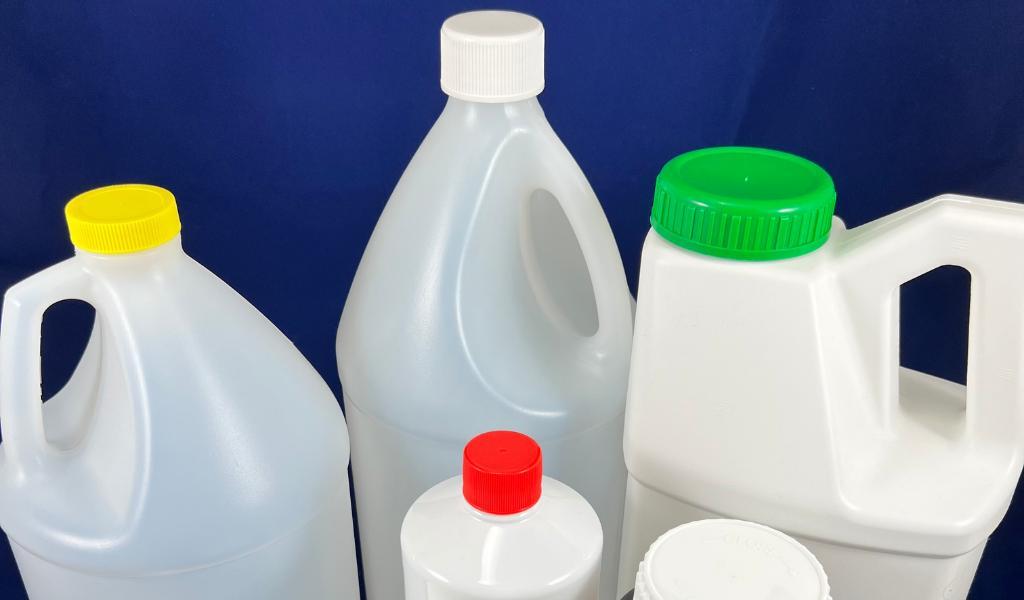
The first aspect of confirming compatibility is understanding the size of the closure. Closure sizes follow a standard code format of two-three numbers, separated by a dash, which link to specific measurements on the closure.
The first number is the neck diameter in millimeters. Common sizes include 20mm, 24mm, 38mm, 63mm, and 110mm.
The second number refers to the thread style, which is the number of turns needed to seal the cap. A 400 profile is more shallow with fewer thread turns, while a 410 is slightly taller with more threading. Generally, the higher the number, the more threading depth and number of turns you're working with. This number tells you if the cap will physically fit over your container opening.
One thing worth noting is that certain bottle types glass containers tend to use longer thread style than plastic containers of the same diameter, so verifying thread depth is key for a reliable seal.
Thread Profiles
Once you know the size of your closure and how that compares to your containers, confirming the thread profile is the next step. The thread profile is the shape of the threads present on the cap, which can make a huge difference in compatibility. This is because two closures with the same size cap can behave differently depending on their thread profile. Reliable Caps offers two main thread profile types: standard and modified buttress.
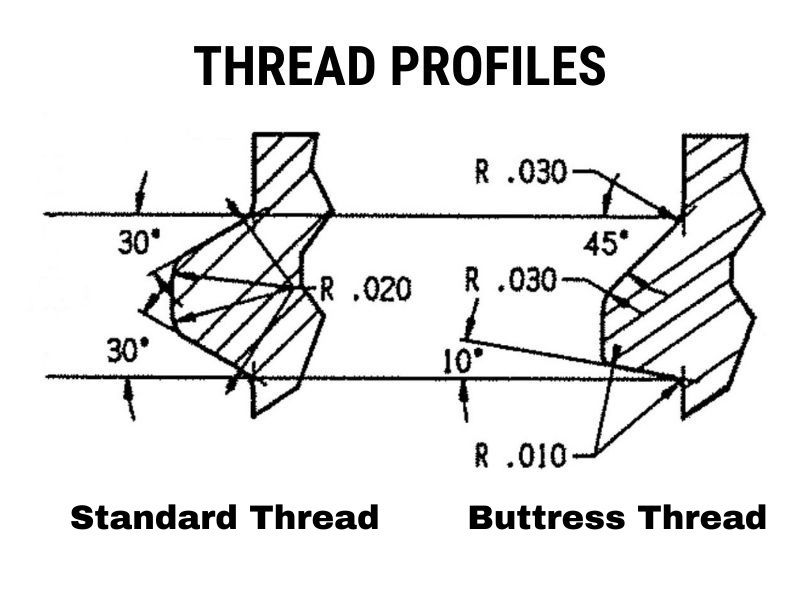
Standard thread profiles have rounded, symmetrical threads and are the most common and economical option. They work well with PET containers and glass containers for general-purpose applications.
Modified buttress thread profiles, on the other hand, have sharper geometry on the threads, which creates more contact surface with the container’s threads. That contact surface means more friction, which translates to a better seal with higher torque retention and less back-off. Back-off is the gradual loosening that happens naturally during shipping and handling, and it's a bigger concern with PE containers.
In short, if your containers have threads that are more rounded and inconsistent, a standard thread profile cap may not grip well enough to maintain a reliable seal over time. Modified buttress thread profiles compensate for this by maximizing the thread’s contact area.
Learn more about Standard vs. Buttress Threads
How Liners Impact Compatibility
The liner inside your cap is what actually creates the seal between the closure and the container, and matching it correctly to your container material and product type is just as important as getting the cap size right.
Heat induction liners bond to the container when applied with the closure, and are available in resin-specific and universal options. Resin-specific liners are formulated to bond with a particular type of plastic, which creates a stronger seal, making them better for liquid or chemical packaging. Universal liners, on the other hand, bond with a wider range of containers and are better for dry goods or powder containers.
Foam liners stay inside the cap after opening to provide a resealable closure. They're a versatile option that works across a larger range of container types and applications.
If your cap and container are mismatched, the liner may not create the proper seal for your product, either because it’s not seated properly or because it’s not bonded with your container.
How to Select the Right Liner Material for Your Closure
Applying Your Closure to Your Container
Finally, it’s important to remember that even the right cap matched to the right container can still experience problems if the cap is applied incorrectly. Two factors in particular have an impact on seal quality: torque and the landing zone.
Torque: Most people assume tighter is better, but over-torquing is a common cause of thread damage and seal failure. When you apply more torque than the threads are designed to handle, they begin to round out, which lowers the friction between cap threads and container threads, so the cap will keep loosening over time. Ensuring torque is in spec and consistent is paramount to ensuring a quality seal. It goes without saying that hand-tightening caps is the least effective way to do this. Instead, it’s best to invest in a bottle capping machine to ensure success, and these can be found as simple electric handheld units to industrial pneumatic machines.
The landing zone: This is the flat surface at the top of the container neck where the liner makes contact. If that surface isn't flat and flush all the way around, the liner is less likely to create a complete seal regardless of torque or liner type. If you're working with a custom container or a new bottle supplier, confirm neck finish specs to ensure that your caps are compatible.
Testing Fit and Compatibility
With all of the compatibility factors above confirmed, the last thing to do is test to verify everything functions as intended. Even when it all looks right on paper, real-world manufacturing tolerances can introduce variables that only show up once the cap, liner, and container are all together. Here's what that testing process can look like:
- Test with your actual containers. Placing the closure with the exact container from your supplier is the best way to know your system is working the way it should.
- With foam liners, check the impression. After applying a capped container with a foam liner, remove the cap and look at the foam. A good seal leaves a uniform ring impression all the way around the cap. If part of that ring is faint or missing, there's a landing zone issue to address before you go into production.
- Run a 24-hour hold test for induction seals. A foil liner can appear bonded after 30 minutes and still fail later. Let your sealed test containers sit for at least 24 hours, and up to 48 hours if you're working with aggressive chemicals.
- Verify your induction sealing parameters. Before assuming a seal failure is a liner or cap issue, confirm that your induction machine is calibrated correctly.
Reliable Caps offers closure samples to use in test runs so you can ensure your full cap and container system works as expected.
Ready to Confirm Your Cap and Bottle Specs?
Getting compatibility right before you begin production saves time, reduces scrap, and prevents issues. Whether you're starting from scratch or troubleshooting existing seal problems, the Reliable Caps team can help you find the right closure for your containers. Contact us to discuss your closure needs and request samples.