
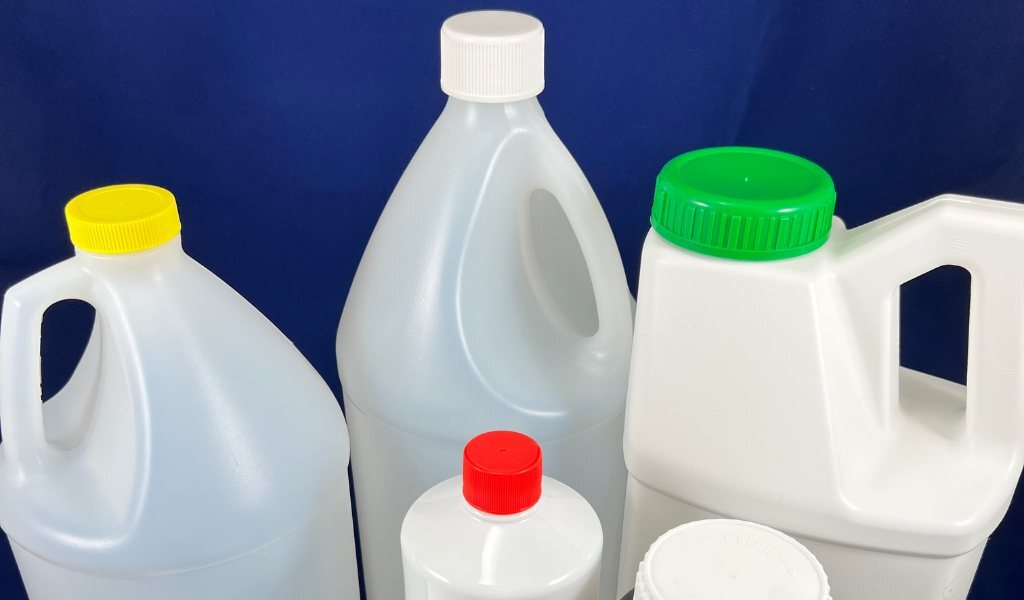
Choosing the right closure isn't just about picking a cap that fits.
Instead, it's important to determine the details of your closure order to prevent leaks, failed seals, and costly reorders down the line. That's why the Reliable Caps team asks these questions when we're working with our customers on new projects. These 10 questions can help you narrow down the right cap and lining for your product even before a conversation with one of our team members!
1. What is the neck finish of the bottle?
“Neck finish” refers to the size, shape, and thread design of the bottle or container where the closure attaches. Neck finishes are standardized across the industry and determine which caps are compatible with the container and help ensure a proper fit and seal. Your closure and container neck should have compatible finishes in order to seal properly. A mismatched finish is likely to result in poor threading, and even a close-but-not-quite match can lead to poor torque retention or a seal that looks fine on day one but fails in shipping.
Learn more about Plastic Closure and Bottle Compatibility
2. What product is being put in the container?
The product going into the container is what determines the right lining material more than anything else. A liner that works well for a dry spice blend can fail quickly against an acidic sauce or a solvent-based chemical, so knowing what the contents of the bottle are will direct you toward a lining that will actually hold up to it rather than one that just happens to be in stock.
3. What color do you need the closure to be?
We typically keep white and black closures in stock and ready to ship. If you need a different color, we can mold your closures using colorant we already have on hand, or create a custom color. Custom colors are a great option for brand consistency, but they usually mean a longer lead time than our stocked black or white closures.
4. What type of liner, if any, is needed in the closure?
We stock several lining materials to choose from, and the most common choices among our customers are PE foam, pressure seal, foil seal, and Lift-n-Peel. Each liner behaves differently, depending on the product, the fill process, and how the container will be handled, so choosing the correct liner can make a big difference in the performance of your closure and bottle combination.
5. How many closures do you need?
The larger your order, the lower your price per closure, and depending on the closure and liner you choose, we may have what you need already in stock and ready to ship. If you need an order for more than we have in stock, or you need a large order of custom closures, we will work with you to confirm lead times and shipping schedules.
6. Is a "hot fill" filling process used?
Hot fill processes heat the product during filling, and certain liners handle that heat and the vacuum pressure that follows much better than others. Polypropylene foam, for example, holds up well under hot fill conditions, while polyethylene foam liners lack rigidity, making them susceptible to losing their seal to vacuum pressures from the hot temperatures of the fill process. Your fill process can help you narrow down your choices of liners to ensure you find one that suits your product needs.
7. Can the landing area of the bottle be kept completely clean during the filling process?
The landing area, which is the surface the liner sits against in order to create a seal, needs to stay free of product residue, dust, or moisture for the seal to form properly when using certain liner types. For these liners, even a small amount of buildup can create a gap that keeps the liner from bonding evenly, and this issue can show up later as a slow leak or a loose-feeling cap.

If a heat induction liner is needed, we'll also need answers to the following:
8. What material is the container made of?
Heat induction liners need to be matched to the specific resin of your container, because some liners only work with certain resins. This means that the best heat induction liners are built to bond tightly with either PE or PET through a matching layer that melts and fuses to the bottle during sealing. These liners should be used especially when you’re working with liquids, chemicals, or any aggressive materials. There are some liners, however, that are universal and work across multiple resin types, which may work for your product, depending on the bottle, contents, and seal needs.
9. Should the opening experience be clean-peel?
Tamper-evident liners give customers a clear, visible sign if a container has already been opened, which matters particularly in the food, personal care, and pharmaceutical industries. The trade-off of choosing these liners is that sometimes they can leave liner residue once the package is opened. If you need to ensure that there is no leftover residue, clean-peel liners like Lift N Peel liners are a good choice.
10. Is a reseal required after the product's initial opening?
If your customers need to reseal the container after first use, you'll need a two-piece lining solution, typically a liner bonded to the bottle paired with a separate insert in the cap that allows it to be opened and closed again with an effective seal, like a heat induction seal with a PE foam backer. This is common for products used in multiple applications over time, like sauces or personal care items that aren't used up in one sitting.
If you're ready to start your closure order, these questions can help guide you in choosing the right option for your product. Contact our team to talk through these questions together, and let us help you find the right closure for your project today!